
Treatments & specialities
Laparoscopic Repair of Diaphragmatic Hernia
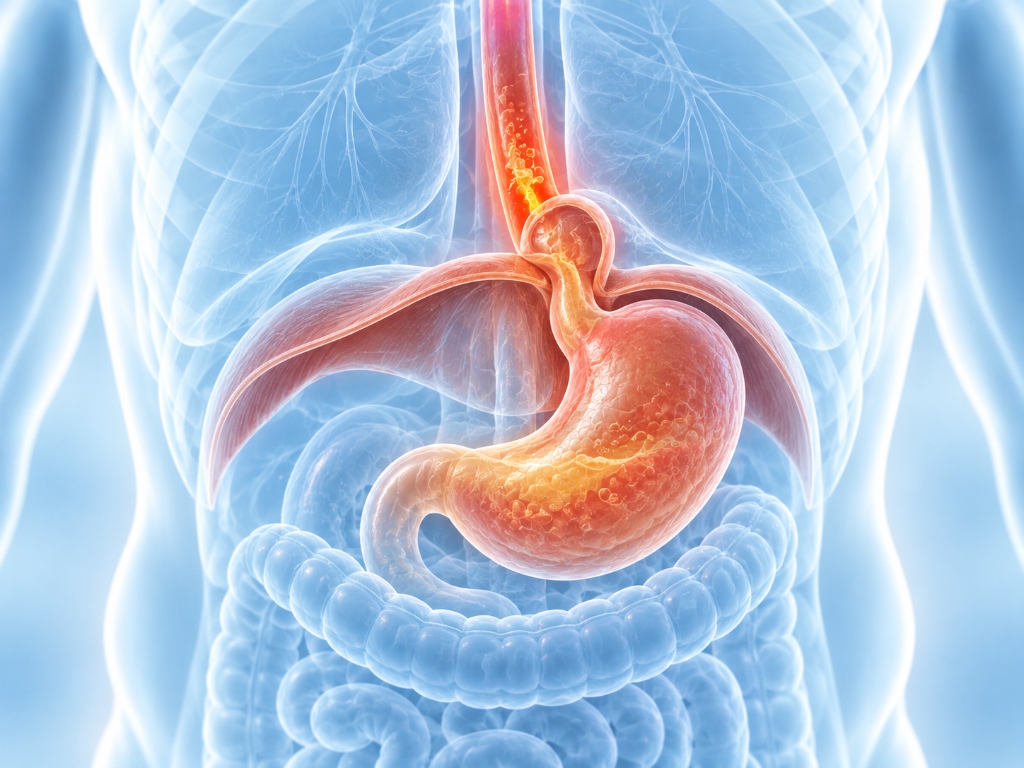
A diaphragmatic hernia is an opening or weakness in the diaphragm that may allow abdominal contents to move toward the chest. Laparoscopic repair may be considered when symptoms, anatomy and overall fitness make it appropriate.
General information only. Treatment choice depends on diagnosis, investigations, symptoms, fitness for surgery and consultation.
Quick patient guide
Repair a clinically significant diaphragm defect.
Specialist planned surgery.
General anaesthesia.
Depends on hernia type, size and chest or abdominal involvement.
Why might it be recommended?
- Diaphragm defect on imaging
- Pressure, breathing or reflux-related symptoms
- Risk profile suggesting repair should be discussed
How you are assessed
Assessment may include imaging, symptom review and anaesthetic evaluation.
Preparing for surgery
Preparation is tailored to the hernia type and any chest or reflux symptoms.
What happens during the procedure?
The hernia contents are returned to the abdomen where appropriate and the diaphragm defect is closed or reinforced.
Potential benefits
- Repair of the diaphragm defect
- Reduced herniation-related symptoms in selected patients
- Keyhole access when suitable
Risks and possible complications
- Breathing problems after surgery
- Chest-related complications
- Recurrence or need for further treatment
Recovery and aftercare
Aftercare focuses on breathing, pain control, wound care and staged return to normal activity.
When to seek medical advice
Seek urgent advice for breathlessness, chest pain, fever, severe pain, vomiting or wound concerns.
Alternatives
Alternatives depend on hernia type and symptoms and may include observation or open repair.
Clinical review information
General information for consultation
This page is written as patient education and should be confirmed during consultation. It does not replace personalised medical advice.
Request a consultation
Ready to discuss Diaphragmatic Hernia Repair?
Use the appointment flow when you are ready to discuss symptoms, investigations and treatment options with Prof. Sheth.