
Treatments & specialities
Anti-Reflux Surgery
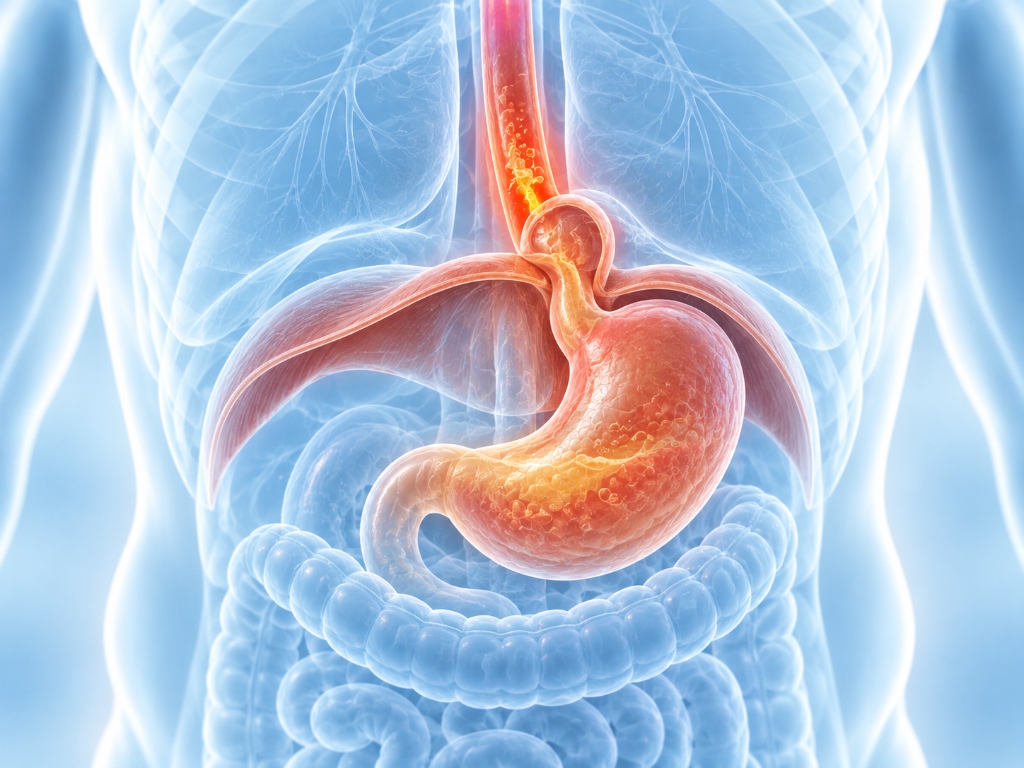
Anti-reflux surgery aims to reduce gastro-oesophageal reflux by improving the barrier between the stomach and oesophagus. In selected patients, laparoscopic fundoplication and hiatus hernia repair may be discussed after symptoms, tests and treatment history are reviewed.
General information only. Treatment choice depends on diagnosis, investigations, symptoms, fitness for surgery and consultation.
Quick patient guide
Reduce reflux symptoms in carefully selected patients.
Planned hospital surgery after specialist assessment.
Performed under general anaesthesia.
Diet and activity guidance are tailored to the repair and recovery.
Why might it be recommended?
- Persistent heartburn or regurgitation despite non-surgical treatment
- Hiatus hernia contributing to reflux symptoms
- Chronic oesophagitis or reflux complications
- Symptoms and investigations suggesting surgery may be suitable
How you are assessed
Assessment may include symptom review, medication history, previous endoscopy findings and further reflux or imaging tests when needed.
Preparing for surgery
Pre-operative preparation includes anaesthetic assessment, medication review and procedure-specific diet and fasting instructions.
What happens during the procedure?
Laparoscopic fundoplication uses small incisions and a camera. The hiatus may be repaired, and the top of the stomach is wrapped around the lower oesophagus to strengthen the anti-reflux barrier.
Potential benefits
- Reduced reflux or regurgitation in selected patients
- Repair of a reflux-related hiatus hernia when present
- Less reliance on long-term symptom medication for some patients
Risks and possible complications
- Bloating or increased wind
- Difficulty swallowing during recovery or longer term
- Wrap loosening or recurrence of reflux symptoms
Recovery and aftercare
Recovery advice commonly includes staged diet progression, wound care, pain control and temporary activity limits. Exact timing should be confirmed by the treating team.
When to seek medical advice
Seek advice urgently for worsening pain, inability to swallow fluids, persistent vomiting, fever, wound concerns or breathing symptoms.
Alternatives
Alternatives may include lifestyle measures, medicines, ongoing monitoring or additional testing before surgery is considered.
Clinical review information
General information for consultation
This page is written as patient education and should be confirmed during consultation. It does not replace personalised medical advice.
Request a consultation
Ready to discuss Anti-Reflux Surgery?
Use the appointment flow when you are ready to discuss symptoms, investigations and treatment options with Prof. Sheth.