
Treatments & specialities
Upper GI Endoscopy
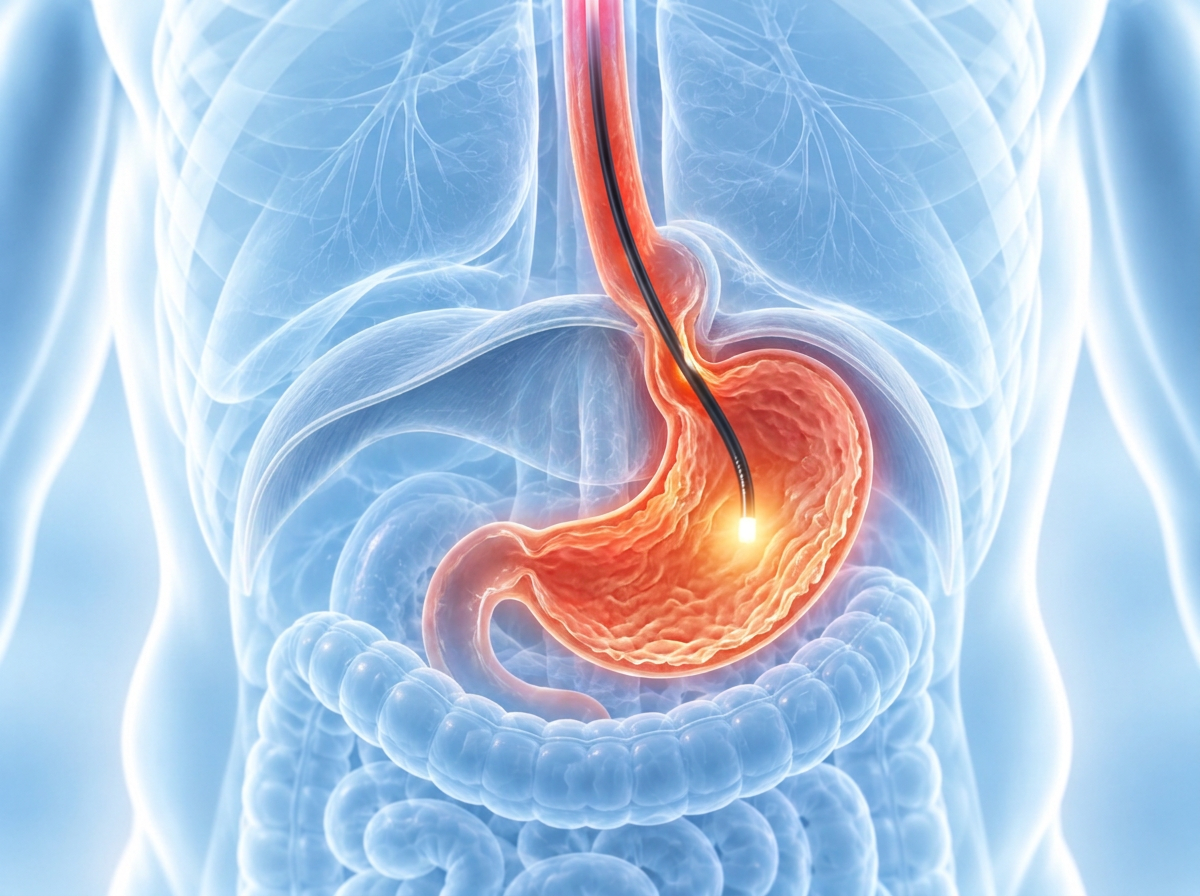
Upper GI endoscopy, also called gastroscopy or OGD, uses a slim flexible camera to examine the oesophagus, stomach and duodenum. It can help identify inflammation, ulcers, bleeding, narrowing and other causes of upper digestive symptoms.
General information only. Treatment choice depends on diagnosis, investigations, symptoms, fitness for surgery and consultation.
Quick patient guide
Investigate upper digestive symptoms and obtain biopsies when needed.
Usually an outpatient endoscopy unit.
Throat spray and/or sedation may be discussed.
Short observation is typical; discharge advice depends on sedation and findings.
Why might it be recommended?
- Swallowing difficulty or pain on swallowing
- Vomiting blood, black stools or unexplained iron-deficiency anaemia
- Persistent heartburn, indigestion or ulcer-like pain
- Need for biopsy, surveillance or follow-up of selected findings
How you are assessed
Your symptoms, medical history, medications and previous tests are reviewed. The clinician decides whether endoscopy is the right next investigation or whether another test is more suitable.
Preparing for the procedure
Preparation usually includes fasting instructions and medication advice. If sedation is planned, transport and aftercare arrangements are discussed before the appointment.
What happens during the procedure?
The endoscope is passed through the mouth while the upper digestive tract is examined. Biopsies or therapeutic steps such as dilatation or treatment of bleeding may be performed only when clinically needed.
Potential benefits
- Direct visual assessment of the upper digestive tract
- Biopsy or treatment during the same procedure where appropriate
- Clearer planning for reflux, ulcer, bleeding or swallowing symptoms
Risks and possible complications
- Temporary sore throat or bloating
- Bleeding after biopsy or therapeutic treatment
- Rare perforation or sedation-related complication
Recovery and aftercare
You receive discharge advice after observation. Biopsy results, if taken, are reported separately. Instructions after sedation should be followed carefully.
When to seek medical advice
Seek urgent advice if you develop severe pain, persistent vomiting, chest symptoms, fever or bleeding after the procedure.
Alternatives
Depending on the question being investigated, alternatives may include medication review, imaging, barium studies or specialist referral.
Clinical review information
General information for consultation
This page is written as patient education and should be confirmed during consultation. It does not replace personalised medical advice.
Request a consultation
Ready to discuss Upper GI Endoscopy?
Use the appointment flow when you are ready to discuss symptoms, investigations and treatment options with Prof. Sheth.